
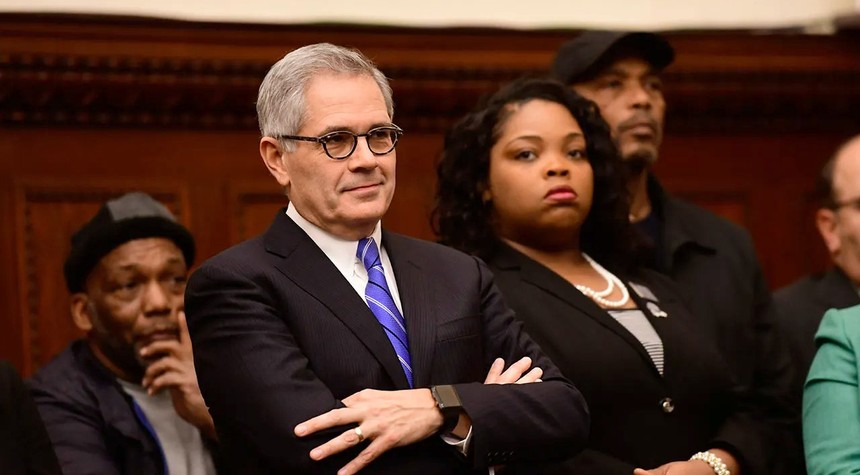
Something remarkable just happened in Pennsylvania, and it wasn’t another speech about unity or bipartisan cooperation. The state’s Supreme Court delivered a blistering rebuke to Philadelphia’s progressive District Attorney Larry Krasner, and here’s the kicker: two Democratic justices joined the majority in what amounts to a judicial vote of no confidence in how Krasner’s office handles serious criminal cases.
Justice Kevin Dougherty, a Democrat, penned the 4-3 decision that centered on Levar Brown, a convicted murderer whose case became ground zero for a larger battle over Krasner’s so-called Conviction Integrity Unit. The court didn’t just reverse a lower court’s decision granting Brown a new trial. It went further, mandating that Philadelphia judges must now notify the Pennsylvania Attorney General’s office before granting relief in any case where Krasner’s team decides a conviction shouldn’t stand.
Think about what that means for a second. The state’s highest court essentially said Krasner’s office isn’t trustworthy enough to operate without adult supervision. That’s not coming from conservative media or Republican politicians. That’s coming from the judicial branch, including members of his own political party.
The opinion found that the handling of Brown’s case was unreliable. But the court went beyond that single case, noting that similar problems extended throughout the office’s work. When you’re getting called unreliable by the Supreme Court, that’s not a minor procedural hiccup. That’s an institutional credibility crisis.
Krasner, backed by millions from George Soros, ran on a platform of criminal justice reform that sounded compassionate in campaign ads but has played out differently in reality. His Conviction Integrity Unit has become a mechanism for second-guessing convictions with what critics say is insufficient scrutiny. The court’s decision suggests those critics might have a point.
Justice Daniel McCaffery, another Democratic judge, joined Dougherty in the majority along with two Republican justices. The three dissenters were all Democrats, which tells you this wasn’t a simple partisan split. This was about whether one elected official should have unchecked authority to effectively overturn jury verdicts and judicial decisions without meaningful oversight.
The timing couldn’t be more pointed. Just recently, Krasner made headlines for vowing to “hunt” down ICE agents at a City Hall event tied to new sanctuary city legislation. Senator John Fetterman, hardly a conservative firebrand, told Krasner to “lighten up, Francis” after those heated remarks. When you’ve lost Fetterman on immigration enforcement, you might want to recalibrate.
This Supreme Court decision doesn’t hand control of post-conviction cases to the state attorney general outright. But it creates a new court-ordered check on Krasner’s office going forward. Every time his team wants to concede that a conviction should be overturned, another set of eyes gets to weigh in. That’s not radical. That’s basic accountability.
The broader question here isn’t about criminal justice reform itself. Reasonable people can disagree about sentencing guidelines, prosecutorial discretion, and how we handle wrongful convictions. The question is whether one ideologically driven DA should operate as a one-man appeals court, effectively nullifying the work of police, prosecutors, judges, and juries based on his office’s internal determinations.
Pennsylvania’s Supreme Court just answered that question with a resounding no. And when your own party’s justices are joining that chorus, maybe it’s time to admit the experiment isn’t working.
Related: Biden’s Moment of Confusion at Obama Event Proves What We All Suspected