
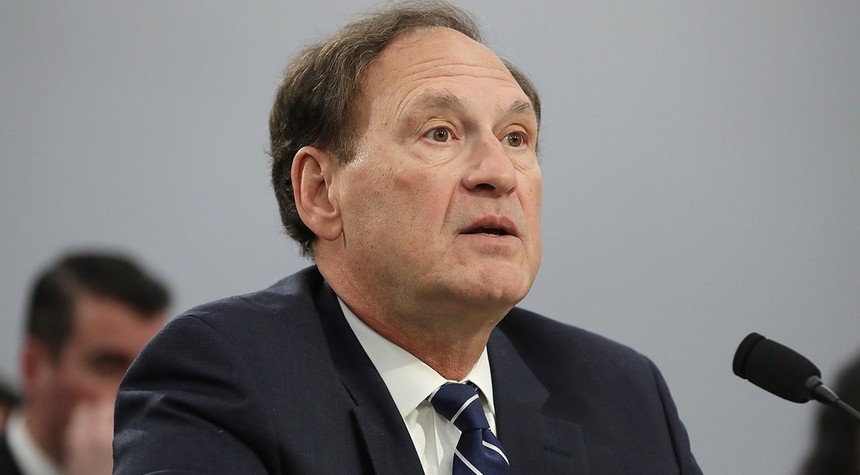
Justice Samuel Alito doesn’t mince words, and his dissent in Trump v. Barbara reads like a warning shot across the bow of American sovereignty. The Supreme Court ruled 6-3 this week to strike down President Trump’s executive order limiting birthright citizenship, and Alito’s response was blunt. This is one of the most important decisions in the court’s history, he wrote, and the majority got it wrong.
Here’s what’s at stake. The 14th Amendment guarantees citizenship to those born on American soil, but Alito argues the framers never intended that guarantee to extend to children of illegal aliens or temporary visitors gaming the system. Birth tourism is real. Foreign nationals fly to the United States, give birth, secure American citizenship for their child, and return home. That child grows up with allegiance to another nation but holds the golden ticket of U.S. citizenship. Does that sound like what the framers had in mind when they drafted the amendment after the Civil War? Not even close.
The majority opinion upholds what’s become the default interpretation, but Alito sees through it. He argues that true birthright citizenship should require full allegiance to the United States, not divided loyalty to a foreign power. It’s a distinction that matters more now than ever. We live in an era where national security threats don’t always wear uniforms or carry flags. They’re born from fractured allegiances and exploited loopholes.
Think about the incentive structure this creates. If you’re living illegally in the United States and you have a child here, that child becomes an anchor. Not just emotionally, but legally. The ruling reinforces a powerful magnet drawing illegal immigration, and Alito sees it clearly. Why wouldn’t someone take that chance if citizenship is guaranteed regardless of the parents’ legal status?
The dissent isn’t just legal theory. It’s a practical warning about consequences we’ll face decades from now. Children born under these circumstances grow up in complex situations. Some will embrace American values wholeheartedly. Others won’t. And we’re supposed to pretend that blanket citizenship regardless of parental allegiance poses no security risk? That’s naive at best, dangerous at worst.
Critics will say Alito’s painting with too broad a brush, that he’s fearmongering about hypothetical threats. But national security isn’t about waiting for threats to materialize before you act. It’s about recognizing vulnerabilities before they’re exploited. The 14th Amendment was written to ensure freed slaves received citizenship, not to create a loophole for birth tourism and illegal immigration.
Six justices disagreed with Alito, and now we’re stuck with a precedent that handcuffs future efforts to address this issue. The court had a chance to clarify what “subject to the jurisdiction thereof” actually means in the 14th Amendment. Instead, they chose the path of least resistance, the interpretation that requires no difficult conversations about allegiance, sovereignty, or security.
Alito’s dissent will age like fine wine. Years from now, when the consequences of this decision become undeniable, people will look back and wonder why the majority couldn’t see what was so obvious. Sometimes the Supreme Court gets it right. Sometimes they don’t. This was one of those times they didn’t, and Americans will pay the price for generations.
Related: The B-2 Spirit Can Now Sink Warships and Beijing Should Be Worried