
Sometimes it takes a good old-fashioned exposé to remind us why we’re supposed to distrust government in the first place. Ohio just passed sweeping Medicaid fraud legislation, and before anyone rushes to pat politicians on the back, let’s be clear about something. This only happened because the Daily Wire did what state bureaucrats should have been doing for years.
The numbers are staggering, and honestly, they’re infuriating. One building housed 94 Medicaid companies. Not 94 employees or 94 clients. Ninety-four separate companies operating out of the same address. Seven other buildings, all owned by the same landlord, housed 288 more. You know what that smells like? It smells like someone gaming a system so broken that nobody bothered to check if these “companies” were even real.
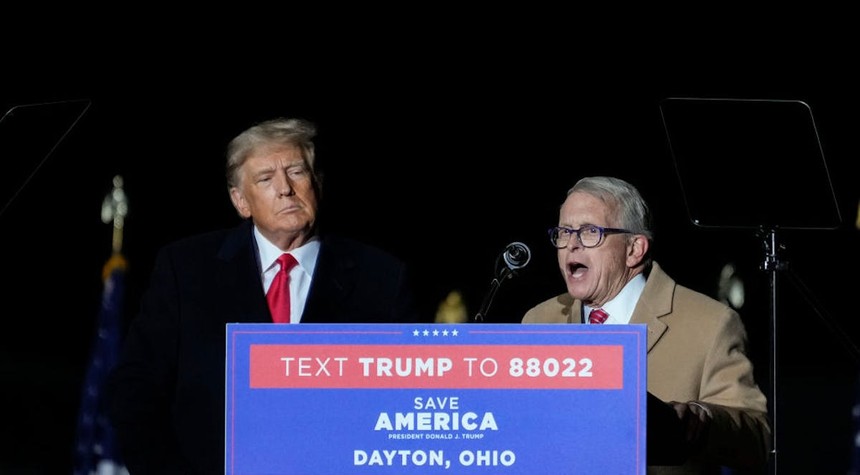
Governor Mike DeWine will sign this bill into law, assuming he doesn’t waste the ten days he has to make it official. The legislation passed with bipartisan support, which tells you everything about how bad the problem got. When Democrats and Republicans agree on something this quickly, you’re either witnessing a miracle or acknowledging a disaster so obvious that even career politicians can’t ignore it.
Here’s what the new law actually does. It requires in-person inspections before a company gets authorized and every three years after that. Seems reasonable, right? Except this wasn’t happening before. The state was handing out Medicaid contracts like candy on Halloween, no questions asked. The law also caps the number of home health providers at a single address to six. Again, basic common sense that apparently needed to be written into law because bureaucrats couldn’t figure it out themselves.
The ownership disclosure requirements matter more than people realize. Providers now have to reveal anyone with at least five percent ownership interest. The state will cross-check those names against fraud conviction lists and government sanction databases. This should have been standard operating procedure from day one, but here we are celebrating it as reform.
Consider the case of Alieu Conteh, who started a million-dollar home health care company after multiple fraud convictions. His excuse? “I was just too dumb I didn’t even know what is law.” That’s either the most honest admission you’ll hear all year or the most brazen lie, and I’m not sure which interpretation is worse. Then there’s Esther Acheampong, who collected over five million dollars from Ohio Medicaid after her husband got convicted of related fraud. She just opened a business in her name and kept the gravy train rolling.
The new law blocks providers who previously owned companies that defrauded the government or who live with someone who did. It elevates Medicaid fraud from a low-level felony or misdemeanor to a high-level felony. GPS tracking will now verify whether providers actually visit elderly clients, and the state will publish reports on how many payments get blocked when the data doesn’t support them.
Electronic Visit Verification has been federally required for years, but implementation has been laughably inadequate. Congress mandated EVV, yet states dragged their feet or implemented toothless versions that fraudsters could sidestep with minimal effort. Ohio’s new system promises real teeth, assuming the state actually follows through.
Democrat Representative Bride Rose Sweeney admitted she was “generally bewildered by some of the shortcomings and gaps within Medicaid.” That’s politician-speak for “I had no idea it was this bad.” Republican Representative Jennifer Gross, who chairs the House Medicaid Committee, called the reforms “a major step forward” while acknowledging “this is only the beginning.” She’s right. This addresses the most egregious abuses, but Medicaid fraud is like cockroaches. You kill the ones you see, but there are always more hiding in the walls.
The broader point here cuts to the heart of conservative principles. Limited government sounds great until you realize that the government we have can’t even manage basic oversight of the programs it insists on running. We’re not talking about philosophical debates over the role of government. We’re talking about criminals stealing taxpayer money while bureaucrats nap at their desks. This is why conservatives get impatient with calls for more government programs. Show me you can run the ones you have without getting fleeced by con artists, then we’ll talk about expansion.
The Daily Wire’s investigation sparked this reform, which raises uncomfortable questions about where our traditional watchdogs have been. State auditors, Medicaid oversight committees, inspector generals. What exactly were they doing while fraud ran rampant? The answer is probably filling out compliance forms and attending meetings about meetings. Real journalism, the kind that digs through records and asks uncomfortable questions, still matters more than a thousand government oversight panels.
Ohio’s law is a win, but let’s not pretend this fixes everything. Fraud adapts. Criminals will find new loopholes, new shell companies, new ways to steal. The question is whether Ohio’s government will stay vigilant or slip back into the comfortable incompetence that allowed this mess in the first place. Based on history, I’m not holding my breath.
Related: Twenty-Five States Just Sued to Protect Medicaid Fraud and They’re Not Even Hiding It