
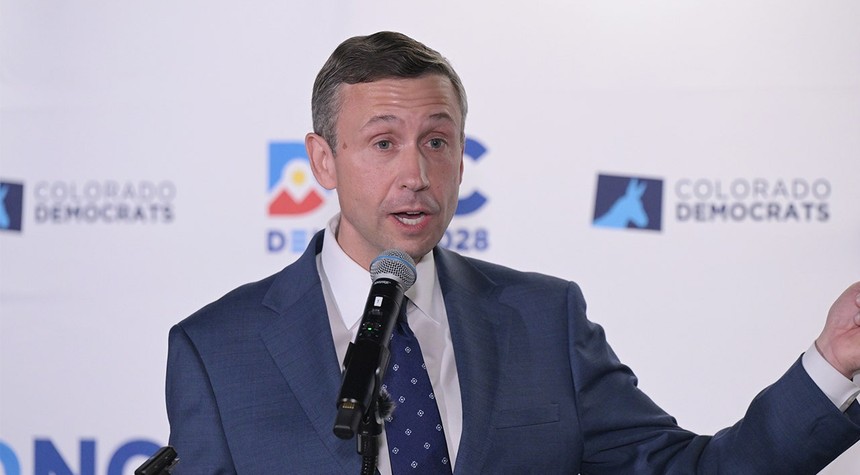
There’s something almost poetic about watching a political party eat itself from the inside. The Democratic National Committee, that sprawling apparatus meant to keep the party machinery humming between presidential cycles, is apparently spiraling into irrelevance. And according to Rufus Gifford, who knows a thing or two about keeping the lights on at the DNC, the blame lands squarely on Chairman Ken Martin’s desk.
Gifford isn’t some Republican operative lobbing grenades from the outside. This guy served as deputy campaign manager for Joe Biden and ran finance operations under Barack Obama. When he says there’s “no saving” Martin, that’s not partisan sniping. That’s an insider watching the ship take on water and calling it what it is.
The core problem? Martin apparently doesn’t communicate. In politics, that’s like being a salesman who won’t return calls. Gifford wrote in his Substack that he never once heard from Martin during his entire stint with Biden’s campaign. Not once. Compare that to his predecessors like Jim Messina or Jen O’Malley Dillon, who’d ring him up dozens of times to coordinate funding for special projects. You know what made those projects successful? Relationships. Trust. The kind of social capital you build by actually picking up the phone and treating your party’s major players like they matter.
Here’s the thing about political fundraising that most people don’t grasp. It’s not transactional in the way buying a car is transactional. It’s relational. Big donors and bundlers and finance directors don’t just write checks because someone sent them a slick email. They give because they’ve built connections with party leadership, because they trust the people asking, because they’ve been cultivated over years of conversations and collaboration.
When your chairman goes radio silent, that whole ecosystem collapses. Gifford points out that come fall, there will be hundreds of asks for money. Literally hundreds. And right now, based on the relationships Martin has failed to build, most of those asks are going to get met with a polite “no” or just silence. That’s catastrophic for a party heading into midterms.
The New York Times is reporting on party infighting and fundraising problems, which is basically journalism speak for “things are a mess behind closed doors.” States are apparently considering defying the DNC’s primary calendar because, as one reporter put it, nobody is scared of Ken Martin. Think about that for a second. State party leaders are supposed to defer to the national committee on major structural decisions. When they start going rogue, that’s not just disrespect. That’s a complete breakdown of authority.
Gifford does throw Martin a bone, calling him “a good man.” That’s the kind of diplomatic cushion you include when you’re about to absolutely demolish someone’s professional competence. It’s the political equivalent of “bless his heart.” Sure, Martin might be a decent human being. But being a good man doesn’t mean you’re good at your job, and right now the job requires skills Martin apparently doesn’t have or won’t use.
From a conservative perspective, there’s a certain satisfaction in watching the Democrats fumble their own institutional management. This is the party that constantly lectures about the importance of government competence and institutional expertise. Yet they can’t even run their own committee effectively. They’ve installed a chairman who won’t communicate with the very people who keep the money flowing, and now they’re shocked that the money has stopped flowing.
But here’s where it gets interesting. The DNC’s collapse isn’t just a Democratic problem. A functional two-party system requires both parties to maintain credible, effective operations. When one side descends into organizational chaos, it creates weird distortions in our political ecosystem. It means less competitive races in places that should be competitive. It means national conversations dominated by dysfunction instead of actual policy debates.
The real question is whether Democrats will do anything about it. Will they force Martin out before he drags them further into irrelevance? Or will they do what political parties often do, which is circle the wagons, deny there’s a problem, and hope things magically improve?
Gifford’s assessment suggests he doesn’t think things can improve under current leadership. When an experienced party operative says there’s “no saving” someone, that’s about as close to a political death sentence as you get without an actual resignation letter. The DNC has been seeing this coming for a year now, according to Gifford. A year of watching the train head toward the cliff and apparently doing nothing to change course.
That kind of institutional paralysis tells you everything you need to know about where the Democratic Party is right now. They can see the problem. Insiders are publicly calling it out. And still, nothing changes. That’s not leadership. That’s just running out the clock and hoping someone else deals with the wreckage.
Related: New York’s Mayor Mamdani Just Handed Activists a Hit List of Wealthy Property Owners