
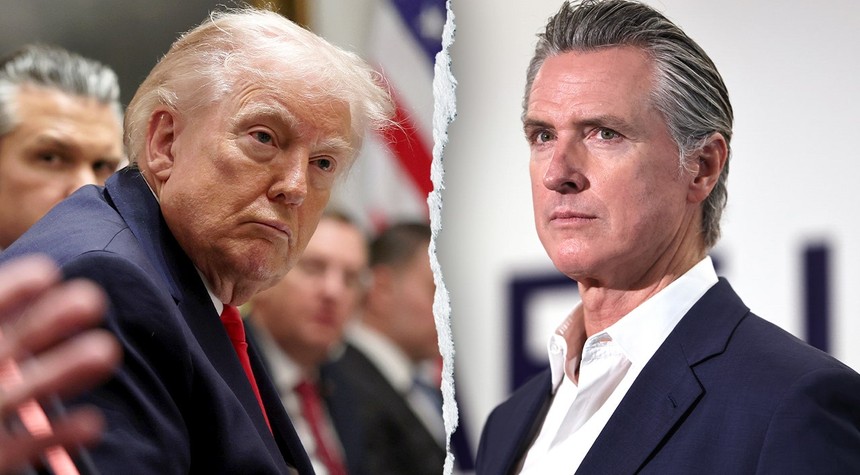
Sometimes the law is so clear that even the Ninth Circuit gets it right. That sentence alone should tell you everything about how overreaching California’s latest attempt to handcuff federal immigration enforcement really was.
The Ninth Circuit Court of Appeals just handed the Trump administration a significant win, temporarily blocking California’s absurd requirement that plainclothes federal agents must flash their badges and identification during operations. The ruling centered on something called the Supremacy Clause, which isn’t some obscure legal technicality. It’s bedrock constitutional law that says when federal authority conflicts with state law, federal law wins. Period.
What makes this particularly noteworthy is the source. This is the same Ninth Circuit that’s spent years throwing judicial tantrums over Trump’s immigration policies. They blocked funding restrictions for sanctuary cities back in 2018. They fought his asylum reforms. They refused to reinstate the travel ban targeting countries that couldn’t properly vet their own citizens. The Ninth Circuit has been immigration hawks’ boogeyman for good reason.
Yet even they looked at California’s No Vigilantes Act and said the Trump administration was “certain to succeed” in its lawsuit. That’s not tepid judicial language. That’s a three-judge panel essentially telling Gavin Newsom he went too far this time.
And honestly, what did California expect? The state argued its identification requirement wasn’t unconstitutional because it only crosses that line when imposing “substantial burdens on federal operations.” That’s cute legal wordplay, but the appeals court wasn’t buying it. You don’t get to directly regulate how federal officers do their jobs just because you promise not to burden them too much. The federal government maintains the power to determine whether, how, and when to publicly identify its officers. California doesn’t get a vote.
This represents a major setback for Newsom, who’s clearly auditioning for a 2028 presidential run by positioning himself as Trump’s chief antagonist on immigration. He’s signed a parade of laws supposedly protecting immigrant communities, which sounds noble until you realize what that actually means. These laws restrict federal immigration enforcement operations and increase oversight of federal agents trying to remove people who entered the country illegally or overstayed their visas.
The Trump administration also challenged California’s No Secret Police Act, which restricts law enforcement officers from wearing face coverings. A Clinton-appointed judge initially blocked the mask restriction for federal officers but refused to stop the identification requirement. That’s when the administration appealed, and the Ninth Circuit temporarily blocked enforcement in February before granting this latest injunction in April.
You know what’s maddening about this whole saga? The fact that we’re even having this fight. Individual states don’t get to micromanage federal law enforcement operations because they disagree with current administration policies. That’s not federalism. That’s chaos dressed up as resistance.
California keeps testing the boundaries of state versus federal power, and they keep losing on the big questions. There’s a pattern here that ought to concern anyone who values constitutional order over political theater. When states start treating federal immigration enforcement like an occupying force requiring special restrictions, we’ve departed from reasonable disagreement and entered something more dangerous.
The ruling matters beyond just California too. New York tried passing similar restrictions on ICE agents wearing masks, and federal judges blocked that effort as well. These aren’t isolated incidents. They’re coordinated attempts by blue states to gum up federal immigration enforcement through legislative creativity.
Limited government means the federal government handles what the Constitution assigns it and leaves the rest to states and individuals. Immigration enforcement falls squarely in federal territory. States can disagree with federal immigration policy all they want. They can even refuse to help enforce it. What they cannot do is actively impede federal officers carrying out their lawful duties.
The Ninth Circuit understood that much, even if California’s governor still doesn’t seem to grasp it. Sometimes constitutional clarity arrives from unexpected sources.
Related: Virginia’s New Voter Protection Unit Ignores the Dead Felon Problem in Its Own Backyard