
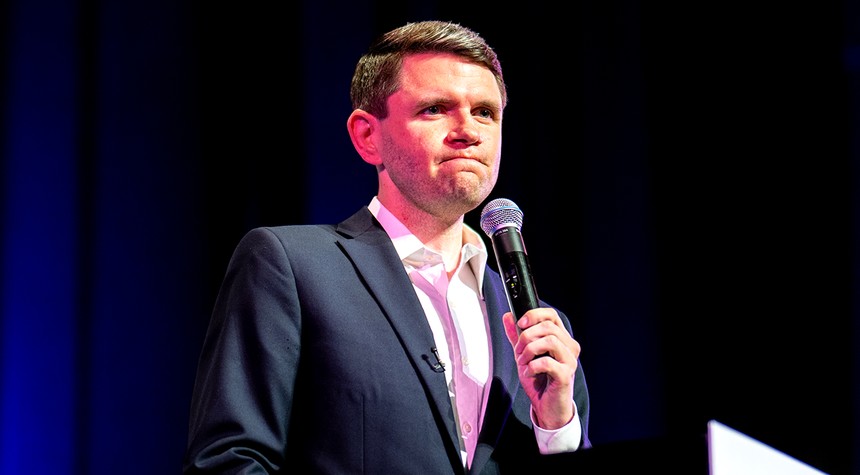
Something peculiar happens when a politician goes dark for almost two weeks in the middle of a heated Senate race. People start asking questions. And when those questions pile up without answers, voters get nervous.
James Talarico, the Democratic nominee challenging Texas Attorney General Ken Paxton for a U.S. Senate seat, finally emerged from his extended disappearance Friday at the Austin City Limits Music Festival. His campaign quickly posted video showing him walking through crowds and shaking hands, trying to quash what they dismissively called “conspiracy theories” about his whereabouts. But here’s the thing. When you’re running for one of the most important offices in the nation’s second-largest state, vanishing for nearly two weeks isn’t exactly a winning strategy.
The campaign’s explanation? The flu. A severe case, they said. Fair enough. People get sick. But twelve days is a mighty long time to be sidelined by influenza, especially when early voting is right around the corner and your opponent is barnstorming the state. President Trump certainly noticed, dubbing the candidate “TalaFREAKo” on Truth Social and questioning what really happened during those missing days. The president’s got a point. We’ve all had the flu. Most of us tough it out and get back to work within a week, maybe less.
Talarico’s team tried to split hairs about the timeline, arguing the absence was closer to nine days because he joined a Zoom call with the U.S. Hispanic Business Council on September 30. They’re technically correct, which as any good lawyer will tell you is the best kind of correct when you’re trying to avoid admitting something looks bad. But voters aren’t buying technical distinctions. They see a candidate who went to a fundraiser in New York City on September 28, then essentially disappeared from public view while claiming illness.
Ken Paxton didn’t miss the opportunity. He hammered the absence on the campaign trail, repeatedly asking crowds “Where is James Talarico?” It’s the kind of attack that lands because it’s rooted in observable reality. Texans expect their elected officials to show up, especially when they’re asking for your vote. This is a state built on grit and determination, where people work through adversity rather than hide from it.
The contrast couldn’t be starker. While Talarico was supposedly bedridden with the flu, Paxton was crisscrossing Texas, making his case directly to voters. That’s what campaigns are supposed to look like. You meet people where they are. You press the flesh. You answer tough questions. You don’t hole up for two weeks and hope nobody notices.
Look, transparency matters in politics now more than ever. We’ve watched too many politicians dodge accountability with convenient excuses and carefully parsed statements. The American people, and Texans especially, have developed a pretty good radar for detecting when something doesn’t quite add up. Maybe Talarico really did have a terrible case of the flu that knocked him out for almost two weeks. But the optics are dreadful, and in politics, perception often becomes reality.
His campaign says he’s back to a full schedule now, with events planned through the weekend and a CNN town hall coming up on October 14. That’s good news for democracy and debate. But the damage from this absence might already be done. Voters remember when candidates go missing during crunch time. They remember the evasiveness and the delayed explanations. Most importantly, they remember who showed up and who didn’t.
Texas deserves better than mysteries and vanishing acts from people seeking to represent them in Washington. The state’s voters will decide in November whether this unexplained absence matters. Something tells me they won’t forget it.
Related: Minnesota Gang Violence Explodes While Ilhan Omar Goes Silent