
The Republican Party just got steamrolled. There’s no other way to say it. Tuesday night wasn’t just a loss. It was a political massacre that left conservative operatives staring at maps bathed in blue, wondering how Texas turned purple and whether the party has a future at all.
But here’s something you probably haven’t heard through the noise of Democratic celebration and Republican soul-searching. While the party crumbled almost everywhere else, Republican attorneys general somehow held the line. Not just held it. They actually outperformed their colleagues by margins that deserve serious attention.
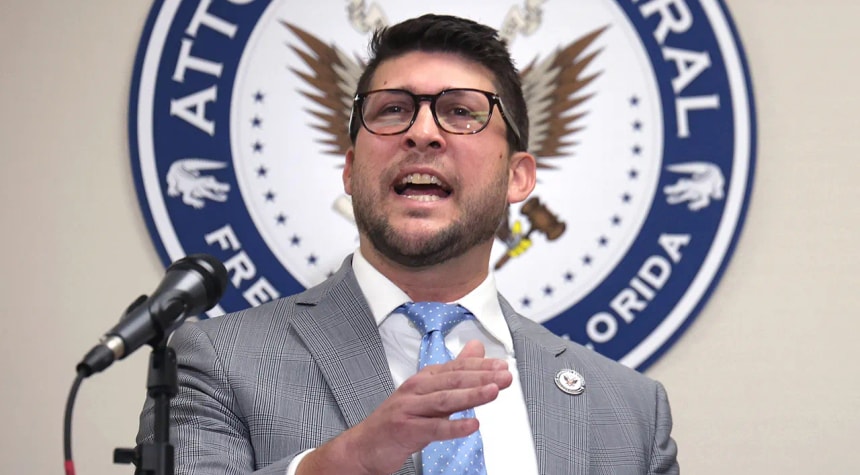
Adam Piper, the executive director of the Republican Attorneys General Association, sent a late-night memo to his colleagues that started with the brutal truth. "Last night was the worst election night for the Republican Party in 50 years," he wrote. No sugarcoating. No spin. Just facts. The numbers backed him up too. Voters across the board preferred Democratic candidates by an average of 13.8 points. Think about that for a second. In 2006, Democrats won by 7.9 points. In 2018, it was 8.4 points. This wasn’t a wave. Piper called it what it was: a category-five political hurricane.
Yet Republican AG candidates somehow ran an average of 4.62 percentage points ahead of GOP Senate candidates in comparable states. They outperformed Republican governors by 2.12 points. In nine out of ten states where direct comparisons could be made, the attorney general candidates did better than their Senate counterparts. Against gubernatorial candidates, they beat the numbers in nine of thirteen states.
These aren’t moral victories, as Piper himself acknowledged. Republicans still lost five attorney general seats. The House losses could hit 51 seats. The Senate might lose nine. But when your ship is sinking, you notice which lifeboats actually float.
Look at the specifics. In Colorado, where Republicans got crushed up and down the ballot, the GOP attorney general candidate ran 10.3 points ahead of the gubernatorial candidate and 7.7 points ahead of the Senate candidate. Iowa showed a 9.3-point advantage over the governor’s race. Ohio posted a 7.3-point spread. These aren’t rounding errors or statistical noise. These are real, measurable differences in how voters responded to these candidates.
In Florida, which now stands as the largest red state after Texas fell to Democrats (let that sink in), Attorney General James Uthmeier won by 1.8 points while Governor-elect Byron Donalds squeaked by with just 1.3 points. Nebraska’s Mike Hilgers won his attorney general race by 12.6 points compared to Pete Ricketts’ 6.7-point Senate win and Jim Pillen’s 8.4-point gubernatorial victory.
What’s happening here? Why did voters who rejected Republicans almost everywhere else decide that Republican attorneys general were worth keeping?
Part of it might be the nature of the job itself. Attorneys general operate in a space that feels less partisan to many voters, even though the work is deeply political. They fight human trafficking. They tackle the opioid crisis. They defend state interests against federal overreach. It’s law enforcement with a legal twist, and that resonates differently than pure politics.
But Piper’s memo suggests something more strategic at play. He’s positioning Republican attorneys general as "America’s front line and last line of defense" against what he calls the left-wing wish list. Court packing. The Green New Deal. Medicare for All. Second Amendment restrictions. Abolishing ICE. With Democrats controlling Congress (and presumably energized by their massive wins), state-level legal challenges become the primary mechanism for conservative resistance.
This isn’t new territory. Republican attorneys general have been filing lawsuits against federal overreach for years. What’s different now is the scale of the threat and the lack of other defensive positions. When you’ve lost the House badly, possibly lost the Senate, and saw governorships flip across the country, the legal arena becomes everything.
RAGA spent more than $40 million on these midterms, nearly double what they spent in 2022. They raised over $50 million. Those numbers suggest the organization saw this fight coming and invested accordingly. The returns, while not exactly cause for celebration given the broader context, at least show the investment wasn’t wasted.
Piper’s already talking about recruiting for 2027 and 2028. That’s the kind of long-term thinking that disappeared from much of the Republican operation this cycle. When you’re dealing with what he accurately called "the aftermath of a category-five political hurricane," you don’t just focus on immediate repairs. You think about what comes next and how to build structures that can withstand the next storm.
The question facing Republicans now is whether the attorney general success offers a blueprint for recovery or just represents a temporary quirk in an otherwise disastrous cycle. Can the party learn something from why these candidates connected with voters when so many others failed? Or will they dismiss it as an anomaly and continue down the same path that led to this catastrophe?
There are no easy answers, and honestly, Republicans probably don’t have time for extensive soul-searching anyway. The 2028 races are already on the horizon, and if Tuesday proved anything, it’s that assumptions about safe seats and reliable constituencies mean nothing anymore. When Texas goes blue, all bets are off.
What’s clear is that Republican attorneys general now carry an outsized burden for conservative governance. They’re not just state officials managing legal departments. They’ve become the primary check on federal power for red America. That’s a lot of weight to carry, especially when your party just got demolished and the other side smells blood in the water.
Piper ended his memo by setting expectations that RAGA will "continue to overperform, no matter the environment." That’s the kind of defiance Republicans need right now, even if it sounds more like wishful thinking than strategy. But maybe that’s all they’ve got left. Hold the line where you can, fight in the courts, and hope the hurricane eventually passes.
Because right now, those attorney general offices might be the only thing standing between conservative principles and a complete progressive sweep. No pressure.
Related: Trump’s Civil Rights Chief Walks Away After Republicans Lose Everything