
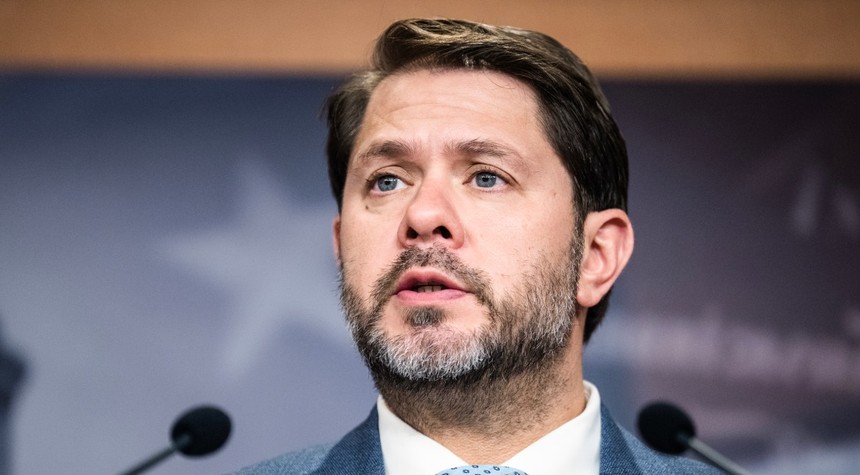
The Senate Ethics Committee just wrapped up its investigation into Arizona Democrat Ruben Gallego, and surprise, surprise, they found absolutely nothing. Rep. Anna Paulina Luna, the Florida Republican who brought these allegations forward, must be wondering what happened to her smoking gun.
Here’s what actually went down. Luna filed a complaint alleging campaign finance violations and inappropriate sexual conduct. Those are serious charges, the kind that can torpedo a career before lunch. But after months of investigation, the bipartisan committee led by Chair James Lankford and Vice Chair Chris Coons delivered their verdict in a letter dated June 26. They didn’t find evidence supporting the specific allegations Luna brought to them.
You know what strikes me about this whole mess? The timing. Gallego just won his Senate seat, and suddenly these allegations surface. It’s almost like someone wanted to damage him right as he was settling into his new role. I’m not saying every complaint is politically motivated, but when you’ve covered Washington long enough, you start recognizing patterns.
The committee didn’t just dismiss this casually either. They actually did their homework. They reached out to Gallego twice, on April 17 and May 15, requesting additional information. That’s how investigations are supposed to work. You follow the evidence wherever it leads, and if it doesn’t lead anywhere substantial, you say so.
Campaign finance violations aren’t trivial matters. Neither are allegations of sexual misconduct. Both deserve thorough scrutiny when credible evidence exists. The problem is that making an accusation and proving an accusation are two entirely different things. Luna threw serious charges at Gallego, and the Ethics Committee took them seriously enough to investigate. But taking something seriously doesn’t mean accepting it as true without verification.
This case highlights something troubling about our current political climate. We’ve created an environment where accusations themselves become weapons, regardless of their merit. The damage often happens the moment the allegation goes public, long before any investigation concludes. Even when someone’s cleared, as Gallego just was, the stain lingers in people’s minds.
I’m old enough to remember when politicians actually waited for evidence before going nuclear on their opponents. Maybe I’m just nostalgic for a time that never really existed, but it feels like we’ve lost something important. The Ethics Committee exists precisely to separate legitimate concerns from political theater, and in this instance, they did their job.
Gallego requested the investigation himself, which tells you something about his confidence in the outcome. Most people don’t invite scrutiny when they’ve got something to hide. They lawyer up, stonewall, and hope the story dies quietly. Instead, Gallego essentially said bring it on, and the committee obliged.
The bipartisan nature of this dismissal matters too. Lankford’s a Republican, Coons is a Democrat, and they both signed off on this conclusion. In today’s hyperpartisan environment, getting Republicans and Democrats to agree on what day it is feels like an achievement. Getting them to unanimously clear a Democratic senator of charges brought by a Republican congresswoman? That’s telling.
Luna’s motives here remain unclear, and honestly, they’re less important than the outcome. What matters is that our ethics oversight system, imperfect as it is, still functions when people use it properly. The committee investigated, found nothing, and said so publicly. That’s how it’s supposed to work, even if the process itself creates collateral damage along the way.
Gallego can move forward now without this cloud hanging over him. Whether Luna faces any consequences for bringing unsubstantiated allegations remains to be seen. Probably not, if we’re being realistic. That’s the asymmetry of political warfare. Accusations cost nothing, but defending yourself costs everything.
Related: The FTC Firing That Just Rewrote Presidential Power for Good