
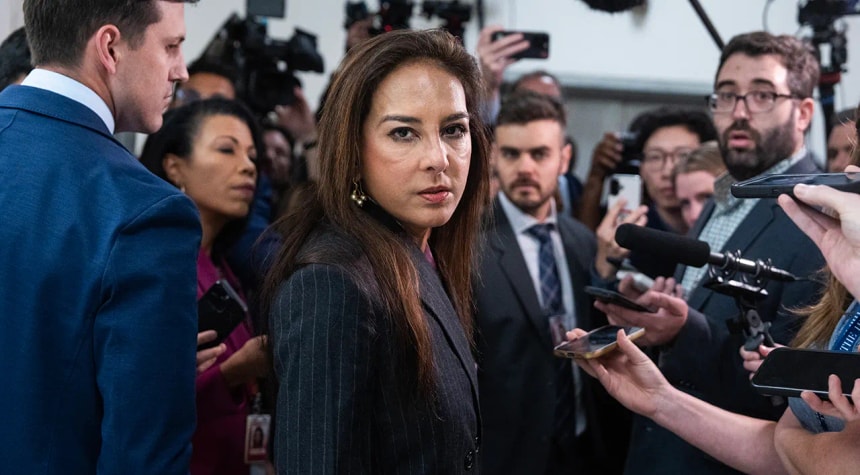
Harmeet Dhillon is done with Washington, and honestly, who can blame her? The now-former head of the Justice Department’s Civil Rights Division just dropped a detail that tells you everything about how nervous this administration was heading into the midterms. She wanted out three weeks before Election Day, but White House chief of staff Susie Wiles asked her to hang on just a little longer. Wait until after the votes are counted, they said. So she did.
And then Republicans lost the House and Senate anyway.
Dhillon made it clear in her conversation with Fox News that this wasn’t some forced exit or quiet firing. She resigned. She made the call. The formal letter went in on November 5, right after the electoral bloodbath, but the decision was locked in weeks earlier. She told Wiles she’d accomplished what she came to do and wanted to return to private practice. The White House just needed her to stick around for optics.
There’s something almost poetic about the timing. Dhillon spent roughly 19 months tearing through the Civil Rights Division like a woman on a mission, reshaping priorities that had calcified under previous administrations. She went after DEI policies with the same energy others reserve for actual civil rights violations. She pushed back on race-conscious admissions. She defended religious liberty cases that made progressives apoplectic. Transgender athletes in women’s sports? Second Amendment protections? Election integrity investigations? All on her radar.
The left hated her for it. Traditional civil rights groups fought her nomination like she was the apocalypse in a blazer. Democrats in the Senate grilled her during confirmation hearings. And conservatives? They loved every second of it because finally, finally, someone was treating the Civil Rights Division like it belonged to all Americans, not just the ones who vote a certain way.
But reshaping a federal agency comes with casualties. Roughly 300 attorneys walked out the door during Trump’s second term, according to recent reports. That’s not attrition. That’s a mass exodus. You don’t see those numbers unless people are either furious about the direction things are going or they’ve been shown the door. Dhillon says she recruited more than 130 new lawyers to rebuild, which is impressive if you’ve ever tried hiring qualified attorneys who aren’t allergic to conservative principles.
She came to Washington after her husband and father died. Grief does strange things to people. Some retreat. Some throw themselves into work that feels bigger than their pain. Dhillon chose public service, which in her case meant walking into one of the most contentious roles in the federal government and daring anyone to question whether she belonged there.
Now she’s heading back to California and the life she built before any of this. The Dhillon Law Group isn’t going to run itself, and the Center for American Liberty still has cases to win. She’s a First Amendment litigator by trade, someone who built a national reputation defending unpopular speech and taking on government overreach long before Trump knew her name.
Attorney General Todd Blanche said all the right things in his statement. She defended civil liberties. She enforced the law without fear or favor. The Department is grateful. It’s the kind of language every outgoing official gets, whether they left on good terms or got pushed out the airlock. But the real story is in what Dhillon said about potential congressional subpoenas.
If Democrats want her to testify, she’ll take legal counsel and follow it. Executive privilege limits what she can discuss, which is lawyer-speak for "I’m not saying anything that puts me in legal jeopardy." And when asked if Trump might pardon her or other officials if Congress comes hunting, she didn’t dismiss it. She just said she’s never asked for one and doesn’t think she’s done anything that would require it. That’s the sound of someone who knows exactly how vindictive Washington can be after a power shift.
The midterms changed everything. Republicans got walloped. Trump’s party lost control of both chambers, and everyone who served in his administration knows what comes next. Investigations. Subpoenas. Partisan show trials disguised as oversight. Dhillon saw it coming and decided she’d rather fight those battles from a courtroom in San Francisco than a witness chair in the Capitol.
You’ve got to respect the move. She didn’t wait to get fired. She didn’t stick around to become a scapegoat for policies Democrats will spend the next two years dissecting. She gave notice when she was ready and left on her terms, even if the White House needed her to wait just a few more days.
The Civil Rights Division will move on because bureaucracies always do. Someone else will take the reins, probably someone more palatable to the new congressional majority. The priorities will shift back. The attorneys who left will feel vindicated. The ones Dhillon hired will either adapt or follow her out the door.
But for 19 months, the division looked different. It focused on cases that made progressives uncomfortable and conservatives hopeful. It treated religious liberty like an actual right instead of an inconvenience. It questioned whether race-conscious policies were helping anyone or just entrenching divisions. And it did all of that because one woman decided grief wouldn’t paralyze her and Washington couldn’t intimidate her.
Now she’s gone, and the timing tells you everything about what the White House knew was coming.
Related: Trump’s Focus Shifts from Cartel Kingpins to Individual Victims in Private Security Briefings