

The White House has announced a freeze on $2.1 billion in federal funding for infrastructure projects in Chicago. This development comes amidst the ongoing government shutdown and follows a similar action taken against New York City earlier this week.
The pause affects a long-anticipated extension of Chicago’s Red Line train. White House Budget Director Russ Vought stated that the funding has been “put on hold to ensure funding is not flowing via race-based contracting.” The significance of this decision should not be overlooked, as it impacts crucial transportation improvements for the city’s South Side.
The Red Line extension project aims to add four new train stops, potentially improving access for disadvantaged communities. Additionally, a broader modernization effort for the Red and Purple lines is reportedly targeted by this freeze. These projects are designed to upgrade stations and alleviate congestion at key intersections.
Also Consider Reading: Ex-Des Moines Schools Superintendent Arrested by DOJ for Firearms and Immigration Violations
The White House has employed similar tactics in other Democratic-leaning areas. Earlier this week, $18 billion in infrastructure funding for New York was paused, including money earmarked for a new Hudson River rail tunnel.
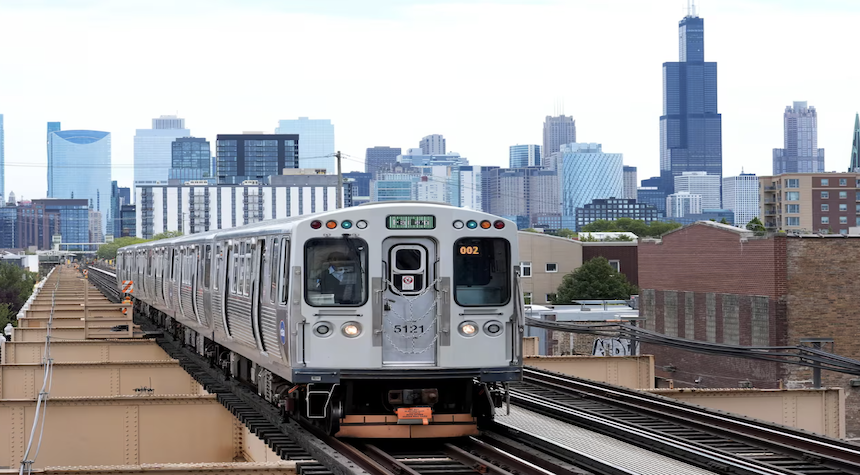
Local officials and community leaders in Chicago have been preparing for these improvements, with some areas already seeing preliminary work, such as property demolitions and street modifications. The sudden halt to funding has raised concerns among residents who were anticipating these developments.
Critics, including Illinois Representative Mike Quigley, have characterized the move as a weaponization of public transit funding. Conversely, the White House maintains that the review is necessary to ensure constitutional practices in fund allocation.
This raises important questions about the role of federal funding in local infrastructure projects and the potential impact of political considerations on such decisions. As the government shutdown continues, the full implications of these funding freezes remain to be seen.