
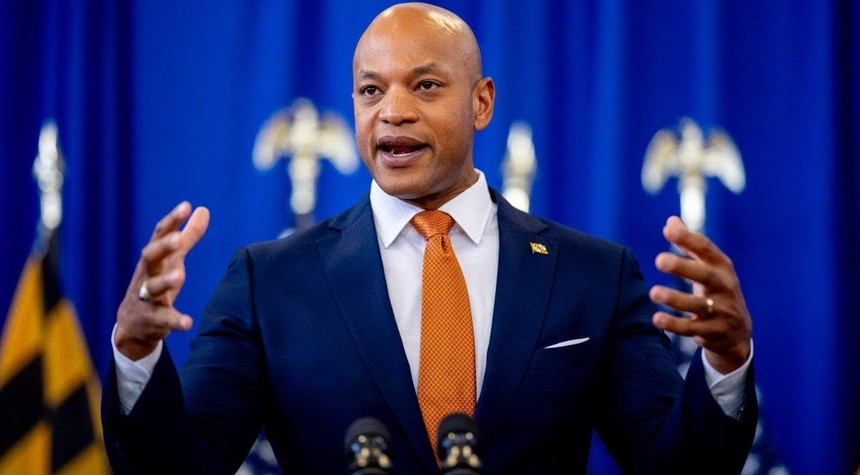
There’s a moment in every parent’s life when you realize the culture has lost its mind, and for many Americans, Maryland Governor Wes Moore just delivered that moment on a silver platter. During an appearance on Patrick Bet-David’s podcast last week, Moore was asked a straightforward hypothetical: What would you do if your son wanted to transition his gender? His answer has ignited a firestorm, and honestly, it should.
Moore didn’t hesitate. He said he’d support his son’s journey to transition, even as a minor. “If this is a journey that he wants to go down, I want him to always be comfortable in his own skin,” Moore explained, promising his son would have his “undying love.” When Bet-David pressed him specifically about supporting this decision for a 14-year-old, Moore doubled down. He wants to be involved in the process, sure, but he’s not going to “condemn” or “castigate” his child. He’s not going to do anything that might “hurt him.”
Here’s where we need to pump the brakes. Nobody’s talking about kicking kids out of the house or withdrawing love. That’s not the issue, and Moore knows it. The issue is whether parents should greenlight irreversible decisions that could fundamentally alter their child’s body and future. There’s a universe of difference between loving your child unconditionally and affirming every impulse a teenager has. You know what else 14-year-olds want? To drop out of school, get face tattoos, and eat pizza for every meal. We don’t let them because we’re adults who understand long-term consequences.
The White House didn’t waste time responding to Moore’s comments. Spokesperson Allison Schuster laid out the Trump administration’s position with clarity: “President Trump is returning Gold Standard Science to the center of public health policy by ending the practice of pushing irreversible surgeries and chemical treatments onto children and minors.” That’s the kind of language that cuts through the fog. Under Biden, puberty blockers and cross-sex hormones were marketed to kids based on what Schuster called “ideologically-driven and financially-motivated science.” Follow the money, folks. There are entire medical industries profiting from this confusion.
Moore’s own position gets murky when you dig deeper. He actually said it would be “deeply unfair” to allow a child to go on puberty blockers and indicated he wouldn’t permit his son to do so. Wait, what? So he’d support the transition but not the medical interventions that facilitate it? That’s like saying you support someone climbing Everest but you won’t let them use oxygen tanks. The contradiction reveals something important about where Democrats find themselves right now. They’re trapped between their progressive base demanding total affirmation and the biological reality staring them in the face.
Social media erupted predictably. Maryland Freedom Caucus vice chair Kathy Szeliga didn’t mince words, calling Moore’s stance “insanity” and accusing him of being willing to sacrifice his child “on the altar of woke transgenderism.” Clay Travis, founder of Outkick, said there’s a “0% chance” Moore actually believes this but noted “this is how insane the Democrat party is.” That second part rings true. How many Democratic politicians privately think this whole thing has gone too far but can’t say it out loud without career suicide?
Moore has positioned Maryland as a sanctuary state for transgender rights and gender-transition care, signing multiple measures to that effect. He’s clashed repeatedly with Trump and clearly sees himself as a progressive champion. But here’s the thing about being a champion of children’s rights: sometimes that means protecting kids from themselves. The human brain doesn’t finish developing until the mid-twenties. We don’t let teenagers sign contracts, buy alcohol, or rent cars because we recognize their judgment isn’t fully formed. Yet somehow we’re supposed to believe they can consent to permanent bodily modifications?
This isn’t about compassion versus cruelty. It’s about wisdom versus ideology. Every parent wants their child to feel safe and loved. But safety doesn’t mean removing every guardrail. Love doesn’t mean saying yes to everything. Sometimes the most loving thing a parent can do is say “not yet” or even “no.” That’s not rejection. That’s guidance. That’s what being a parent actually means.
The broader question hangs in the air like smoke after a fire: When did we decide that children suddenly possess the wisdom to make these calls? And why are we so afraid to say what everyone’s thinking? Fourteen-year-olds are remarkable, but they’re not omniscient. They need parents who will be parents, not friends desperately seeking approval from their kids or their political tribe.
Related: California Parents Protest Middle School for Teaching Kids to Love Their Country