
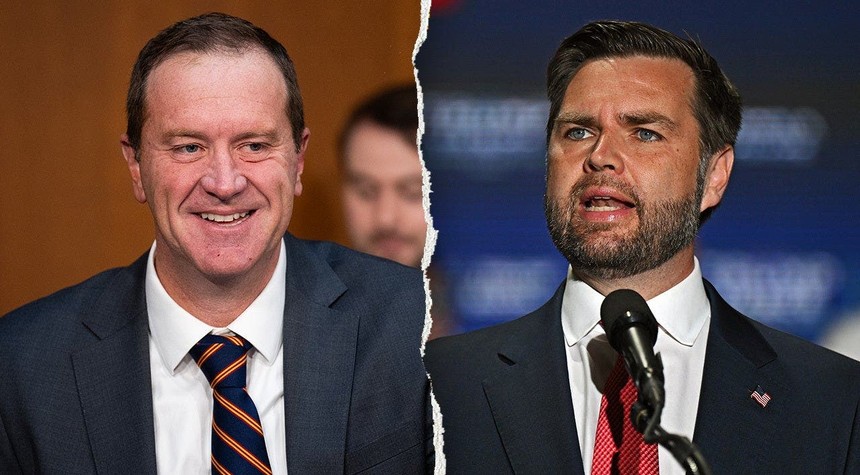
There’s something almost quaint about the fact that we’re calling a $6.5 billion Medicare and Medicaid fraud bust newsworthy in 2025. Not because it isn’t significant (it absolutely is), but because anyone paying attention knows this kind of theft has been happening for years while Washington looked the other way. Now Senator Eric Schmitt from Missouri is leading nine Senate Republicans in forming an Anti-Fraud Task Force, and honestly, it’s about time someone in Congress decided to care about where your money actually goes.
Acting Attorney General Todd Blanche announced arrests of more than 450 alleged fraudsters who’d been systematically looting federal health programs. That’s not a rounding error. That’s organized crime with a medical billing code. And while the Trump administration deserves credit for treating this like the national emergency it is, the real question is why it took this long for anyone to notice the hemorrhaging.
Schmitt’s calling it what it is. Organized theft on a national scale. The people getting robbed are the ones actually working, the folks driving trucks and swinging hammers and trying to keep their heads above water while fraudsters game the system. You know what’s maddening about this whole thing? These aren’t isolated incidents of opportunistic grift. These are sophisticated operations that exploit vulnerabilities Congress itself created through sloppy oversight and bloated bureaucracy.
The new task force plans to examine fraud, waste and abuse across federal programs, identify where the system’s vulnerable, and make sure Congress stops the bleeding at the source. It’s a straightforward mission that sounds almost revolutionary because we’ve gotten so used to accepting waste as the price of doing government business. But why should we? Why should hardworking Americans subsidize criminal enterprises that dress up theft in the language of healthcare billing?
President Trump’s claiming that anti-fraud efforts could save enough money to balance the budget. That might sound like campaign rhetoric, but when you’re talking about billions in Medicare and Medicaid fraud alone, it’s not exactly far-fetched. Add in the waste across other federal programs (and there’s plenty), and you start seeing how much money vanishes into the void every single year while politicians argue over nickels and dimes in budget negotiations.
This isn’t really about partisan politics, though the GOP’s taking the lead here. This is about basic competence and respect for taxpayers. Every dollar stolen through fraud is a dollar some American worked for, got taxed on, and expected would serve a legitimate purpose. Instead it lines the pockets of criminals who’ve figured out that scamming federal programs is easier and more profitable than running an honest business.
The task force will need to work closely with the administration’s efforts, which means coordination between legislative and executive branches. That’s where things usually fall apart in Washington, where turf wars and ego battles matter more than results. But if Schmitt and his colleagues can actually follow through, if they can close the loopholes and build accountability into these massive programs, they’ll have done something genuinely valuable.
Limited government means effective government, not wasteful government. Conservatives have always understood that distinction even when we’ve failed to act on it. You can’t just complain about the size of the federal budget if you’re not willing to stop the theft that inflates it. This anti-fraud push represents the kind of practical governance that actually serves constituents instead of just performing for them.
The people who commit this fraud aren’t just stealing money. They’re stealing faith in institutions that millions of Americans depend on. They’re making it harder to argue for any social program when critics can point to billions in losses. And they’re making suckers out of everyone who plays by the rules.
It’s time to end that. The Anti-Fraud Task Force is a start, and maybe this time someone will actually finish the job.
Related: Nancy Pelosi Gets Her Own Institute at Berkeley Because Of Course She Does