The Democratic Party’s civil war just got a whole lot more interesting, and frankly, it’s about time we watched them wrestle with the monster they created. What started as progressive upsets in safe blue districts where socialism sells like hotcakes has now landed in Michigan, a state that actually matters. This isn’t Brooklyn or Boulder anymore. This is real America, and the stakes couldn’t be higher.
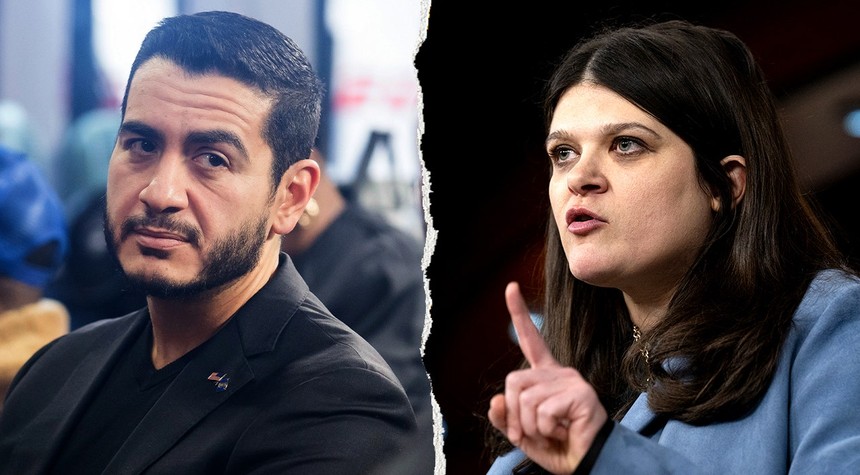
Rep. Haley Stevens, the establishment’s chosen one backed by Chuck Schumer and the old guard, is squaring off against Abdul El-Sayed, a progressive darling who’s got Bernie Sanders and Alexandria Ocasio-Cortez singing his praises. The August 4 primary will tell us everything we need to know about where the Democratic Party is headed, and honestly, both options should terrify anyone who values economic freedom and common sense governance.
Here’s what makes this race different from those feel-good progressive victories in deep blue territory. Michigan is a battleground state. It’s purple, not blue. It’s where factory workers and suburban moms decide elections, not trust-fund activists sipping oat milk lattes in gentrified neighborhoods. The Democrats know this, which is why Schumer is throwing his weight behind Stevens. They understand that what plays well in AOC’s district might crash and burn in Macomb County.
But the progressive wing doesn’t care about electability anymore. They’ve tasted victory, and they want more. El-Sayed represents everything the Bernie wing has been fighting for since 2016. Medicare for All, Green New Deal, the whole nine yards. It’s socialism with a smile, wrapped in the language of compassion and justice. Never mind that these policies would strangle small businesses, explode the deficit, and hand more power to bureaucrats in Washington who’ve never run anything more complex than a faculty meeting.
You know what’s really happening here? The Democratic Party is finally being forced to answer a question they’ve been dodging for years. Are they the party of working Americans who want opportunity and freedom, or are they the party of radical transformation that sees capitalism as the enemy? For decades, they’ve tried to be both. They’ve talked about helping the middle class while pushing policies that grow government and limit freedom. Michigan is where that contradiction becomes impossible to ignore.
Stevens represents the old playbook. She’s moderate enough to win swing voters but liberal enough to keep the base happy. It’s the Clinton-Obama formula that Democrats have relied on for a generation. But that formula is dying, and the progressives are dancing on its grave. They don’t want compromise. They want revolution, and they’re willing to risk losing winnable races to get it.
The irony is delicious. While Democrats tear each other apart over who can promise more free stuff and bigger government, they’re ignoring what made Michigan flip to Trump in 2016. People wanted someone who’d fight for American workers, defend our borders, and stop apologizing for believing in this country. They wanted less government interference, not more. They wanted freedom, not dependency.
This primary will reveal whether Democratic voters in a real battleground state are ready to go full socialist or if they still have enough sense to recognize that radical progressivism is electoral poison outside coastal bubbles. Either outcome benefits Republicans. If El-Sayed wins, Democrats nominate someone who’ll struggle in a general election. If Stevens wins, the progressive base stays angry and divided, potentially depressing turnout.
The bigger picture matters here too. This fight isn’t just about one Senate seat. It’s about the soul of the opposition party, and whether that party can still connect with Americans who believe in individual liberty, personal responsibility, and limited government. Right now, it doesn’t look promising for them.
Michigan Democrats are about to make a choice that echoes far beyond their state. They’re deciding whether pragmatism or ideology wins. Whether winning elections matters more than winning arguments on Twitter. And whether the party that once championed working Americans can still speak their language, or if it’s been completely captured by activists who view traditional values as obstacles to overcome.
August 4 can’t come soon enough. Pass the popcorn.
Related: The Problem With Politicians Who Think America Owes Them Everything