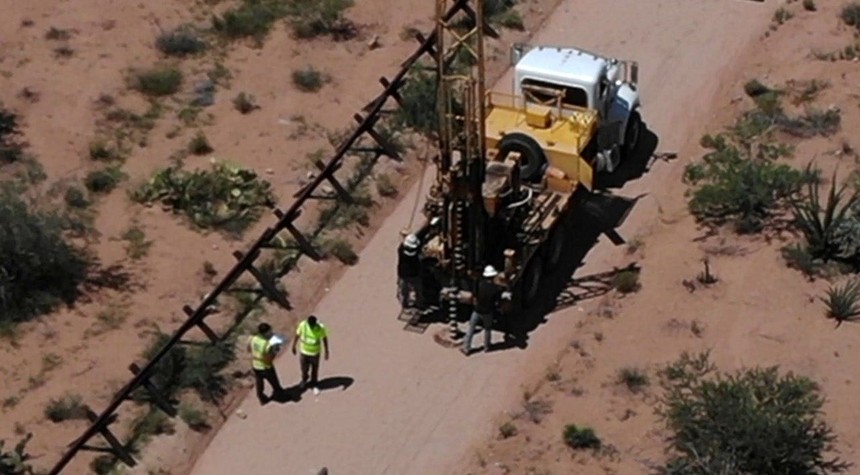
The Trump administration isn’t waiting for anyone’s permission anymore. Construction crews fired up their drills this week on a new stretch of border wall in Arizona, launching what officials say is a critical phase of the $46 billion southern border fortification plan. And yes, the Tohono O’odham Nation is furious about it.
This isn’t just another bureaucratic squabble over permits and paperwork. The tribe argues these contractors are trampling on sacred ground, literally drilling into land that holds generations of spiritual significance. They’ve got 37,000 members, many living on both sides of the border, and they’re watching heavy equipment tear into desert terrain their ancestors have walked for centuries. The tribe even put up “No Trespassing” signs this week. CBP reportedly responded by setting up vehicle blockades and escorting contractors with masked agents.
But here’s where the legal rubber meets the desert road. U.S. District Judge Richard Leon sided with the government, pointing out that construction is happening on the Roosevelt Reservation, a 60-foot strip of federally owned land running along the border. The tribe sued back in June to stop this exact scenario, warning about “significant devastation” and the destruction of sacred mountain peaks. The judge wasn’t buying it. As long as construction stays within that federal buffer zone, the government has the green light.
CBP Commissioner Rodney Scott calls this stretch of desert “one of the most dangerous smuggling and trafficking corridors on the Southwest border.” He’s not exaggerating. This remote terrain has hosted decades of cartel activity, drug loads, and migrant deaths. The statistics tell a grim story that most Americans never see unless they live near the border or work in law enforcement.
The project aims to install 30-foot steel bollard walls, vehicle barriers, and surveillance technology designed to stop illegal immigration and smuggling operations cold. According to testimony before Congress, the primary border wall should be complete by June 2027, with the secondary wall wrapping up by summer 2028. That’s an aggressive timeline, especially given the legal challenges popping up like weeds after a desert rain.
You know what gets lost in these debates? The reality that both sides have legitimate concerns. The Tohono O’odham Nation has every right to protect their sacred sites and maintain their way of life. That’s not radical environmentalism or obstruction for its own sake. But the federal government also has a constitutional duty to secure the border and protect American citizens from the cartels using this exact corridor to flood our communities with fentanyl and trafficked people.
The tribe insists that even drilling on the Roosevelt Reservation constitutes trespassing because their sovereignty extends beyond what federal maps acknowledge. It’s a argument rooted in complicated history, broken treaties, and generations of distrust between Native Americans and Washington. Nobody wearing a suit in D.C. should dismiss those grievances lightly.
Still, national security can’t take a backseat to endless litigation. The drug smuggling through Tohono O’odham land isn’t theoretical. It’s happening right now, every single night. Cartels don’t care about sacred sites or tribal sovereignty. They care about profit margins and moving product through the path of least resistance.
This construction represents a promise kept to Americans who voted for border security. Whether you live in Phoenix or Pittsburgh, the chaos at the southern border affects your community. The question isn’t whether we need better border security. The question is how we achieve it while respecting the legitimate concerns of people who’ve called this land home for centuries. That’s the conversation nobody in Washington seems capable of having anymore.
Related: Secretary Rubio Takes Down the Server Farm That Kept Antifa Anonymous