
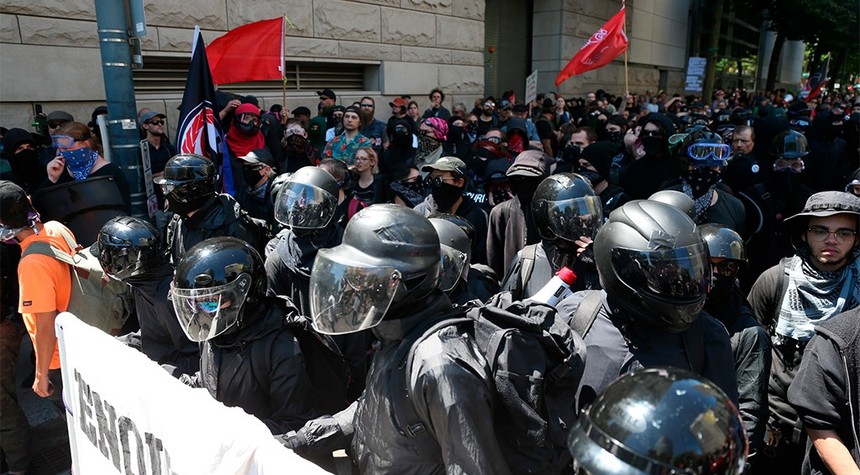
The websites started blinking out like Christmas lights on a bad circuit. One day they’re hosting encrypted communications for Rose City Antifa, the next they’re throwing error codes or just timing out completely. Turns out when you designate someone’s digital infrastructure as a global terrorist entity, people get nervous fast.
Secretary of State Marco Rubio didn’t just slap a label on some obscure Italian tech collective and call it a day. The designation of Autistici/Inventati, better known as the A/I Collective, represents something bigger. It’s a recognition that modern terrorism doesn’t always look like training camps in remote deserts. Sometimes it looks like encrypted email servers and anonymous hosting platforms operated by true believers in Milan or Rome.
Constitutional law attorney Jonathan Turley has been making the point for years that Antifa operates differently than your grandfather’s domestic extremist groups. These networks use encryption, they layer their communications, and they coordinate across borders. You can’t just arrest a few people in Portland and expect the whole thing to collapse. The infrastructure matters, and that infrastructure was apparently running through Italy.
Rose City Counter-Info was one of the first dominoes to fall. This Portland-based website wasn’t publishing recipes or book reviews. According to the State Department, Rose City Antifa used it to dox ICE personnel. They published names, addresses, personal information about federal agents just trying to do their jobs. They also distributed flyers encouraging supporters to aim laser pointers at Customs and Border Protection helicopters. And yes, someone actually did it. A man pleaded guilty to forcing a CBP helicopter to abort its landing because he was shining a laser at the cockpit.
Think about that for a second. We’re not talking about peaceful protest or civil disobedience. We’re talking about actions that could have killed the pilots and anyone on board that aircraft.
Jane’s Revenge operated in a similar digital ecosystem. This militant abortion-rights group claimed responsibility for firebombing a crisis pregnancy center in Madison, Wisconsin back in May 2022. They used A/I services to publish their communiqués, to claim credit for attacks, and to encourage others to do the same. The State Department says they were actively trying to incite copycat violence. That’s not activism. That’s terrorism with a press release strategy.
The NoBlogs platform, which A/I hosts and which contains thousands of individual sites, started going intermittently dark on Friday. Some pages still worked. Others returned nothing but error messages. The State Department hasn’t confirmed whether American agencies actively pulled the plug or whether the collective and its vendors just decided that hosting terrorist infrastructure wasn’t worth the legal exposure anymore.
The sanctions themselves are straightforward but devastating. Americans can’t do business with A/I. U.S. financial institutions have to freeze any assets. And suddenly that secure, anonymous hosting arrangement doesn’t look so secure anymore when your service provider is on a terrorist list.
Rubio has been spearheading an international effort on this front, rallying over 60 countries to confront what he calls far-left political terrorism. The phrase might make some people uncomfortable, but discomfort doesn’t change facts. When you’re coordinating violent attacks across borders, using encryption to hide from law enforcement, and maintaining digital infrastructure specifically designed to help extremists evade detection, you’ve crossed a line.
The FBI’s new mission center has apparently been tracking what they delicately call “nefarious” protest funding. Translation: they’re following the money and the digital trails. Fifteen Antifa radicals were indicted in a sweeping federal probe into Minneapolis anti-ICE operations. Twelve were arrested. The machinery of federal law enforcement is finally treating this threat with the seriousness it deserves.
Critics will inevitably claim this is an assault on free speech or civil liberties. But there’s nothing in the Constitution that protects your right to maintain anonymous hosting platforms for people planning violent attacks on federal agents. There’s no First Amendment right to provide encryption services specifically designed to help extremists coordinate firebombings.
The websites going dark isn’t censorship. It’s consequence. For years these networks operated with relative impunity, secure in the belief that their technical sophistication and international footprint made them untouchable. Turns out they were wrong. The designation of A/I as a global terrorist entity demonstrates something important: we can reach across borders when we need to, and we can dismantle digital infrastructure that supports violence.
This story matters because it reveals how modern extremism actually functions. It’s not all street brawls and broken windows. It’s servers in Italy hosting content for radicals in Portland. It’s encrypted communications allowing coordination across continents. It’s a level of organizational sophistication that requires an equally sophisticated response.
The sites are going dark because the infrastructure that supported them just became radioactive. That’s how it should work. That’s what accountability looks like in the digital age.
Related: El-Sayed Drags Natalie Harp Into Gutter After Already Insulting Usha Vance